Thomas Tiemann

This article is for general information, not medical advice.
Snoring is not always harmless background noise. Whether snoring is bad for you depends on how often it happens, what's driving it, and whether it's disrupting your sleep quality or pointing to something more serious. Occasional snoring is common and usually low-risk. Chronic, loud snoring - especially when paired with other symptoms - can be linked to real health consequences for both you and the person sleeping next to you. Understanding those risks is the first step toward addressing them. For a full rundown of ways to address the problem itself, see how to stop snoring.
- Occasional snoring is common and usually low-risk; chronic snoring carries more meaningful health associations.
- Snoring can fragment your own sleep even when you don't notice it, contributing to daytime fatigue and cognitive fog.
- Chronic loud snoring has been associated with elevated cardiovascular risk.
- Snoring is not the same as sleep apnea, but loud snoring with gasping or witnessed pauses warrants medical evaluation.
- Practical steps - sleep position, reducing nasal resistance, lifestyle changes - can meaningfully reduce snoring and its downstream effects.
What Snoring Actually Does to Your Body
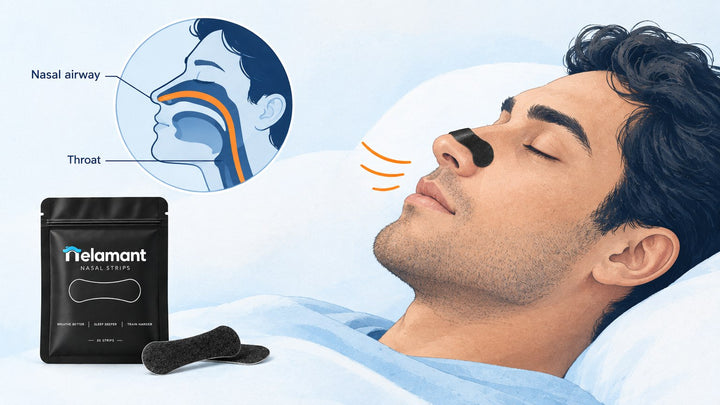
Snoring happens when airflow through the upper airway becomes turbulent enough to vibrate the soft tissues of the throat and nose - the soft palate, uvula, and surrounding structures. That vibration is the sound you hear. The physical consequence is not just acoustic. Each snoring episode involves some degree of airway narrowing, increased breathing effort, and tissue stress from repeated vibration over hours of sleep.
For people who snore heavily every night, those tissues experience nightly mechanical stress. Over time, this can contribute to further airway laxity - meaning chronic snoring may, in a self-reinforcing way, make the underlying problem worse.
Sleep Fragmentation and Daytime Fatigue
Snoring often causes micro-arousals - brief moments where the brain partially wakes to restore airflow - without the sleeper fully regaining consciousness. You may have no memory of these disruptions, yet they chip away at deep and restorative sleep stages. The downstream effect is waking up tired despite spending enough hours in bed, reduced daytime concentration, and slower reaction times. This is one of the most consistent and underappreciated snoring health risks.
Cardiovascular Strain
The association between habitual snoring and cardiovascular health is one of the more studied areas in sleep medicine. Chronic snoring - even without confirmed sleep apnea - has been associated with elevated blood pressure and cardiovascular disease in some population studies. When sleep apnea is also present, repeated cycles of reduced oxygen flow and increased breathing effort can trigger physiological stress responses over time.
This does not mean every snorer is heading toward a cardiac event. It does mean that loud, nightly snoring is worth taking seriously rather than accepting as an unchangeable fact of life.
Is Snoring Dangerous, or Just Noisy?
The honest answer: it depends. Snoring exists on a spectrum, and knowing where your snoring falls on that spectrum is what determines how concerned you should be.

When Snoring Is Mostly Harmless
Occasional, positional snoring - the kind that only happens when you sleep flat on your back after a long day, after alcohol, or during a cold - carries low inherent risk. It's common, often resolves with simple adjustments, and is unlikely to cause lasting health effects. Many people snore lightly for a night or two during seasonal allergies or an upper respiratory illness and experience no ongoing consequences.
Red-Flag Signs That Snoring Is Serious
Snoring becomes more concerning when it shares features with obstructive sleep apnea or signals that breathing is significantly compromised during sleep. Watch for:
- Witnessed pauses in breathing - a bed partner notices you stop breathing for several seconds, then gasp or snort.
- Gasping or choking sounds that wake you up.
- Excessive daytime sleepiness - falling asleep unintentionally during low-stimulation tasks.
- Morning headaches that are frequent or persistent.
- Waking with a very dry mouth or sore throat regularly.
- Difficulty concentrating or mood changes that are unexplained by other factors.
Any combination of these signs, alongside snoring, is a reason to speak with a doctor.
Snoring vs. Sleep Apnea: Knowing the Difference
Snoring and sleep apnea frequently get conflated, and while they often coexist, they are not the same thing. Snoring is a sound produced by airway vibration. Sleep apnea involves repeated complete or partial collapses of the airway that interrupt breathing and drop blood oxygen levels. Not all snorers have sleep apnea, and sleep apnea cannot be diagnosed or ruled out by the sound of snoring alone - it requires a sleep study. Because the overlap is significant and the stakes of untreated sleep apnea are real, this distinction deserves its own detailed treatment: see the full guide to snoring vs. sleep apnea to understand the differences, symptoms, and when testing is appropriate.

What Causes Snoring in the First Place
Snoring has multiple causes - nasal congestion and structural anatomy, throat muscle relaxation during sleep, sleeping position, body weight, and lifestyle factors like alcohol all play roles. Identifying your specific cause matters because it determines which solutions are likely to work. Rather than reproduce that full breakdown here, the dedicated guide on what causes snoring covers each driver in depth.
Health Risks of Untreated Chronic Snoring
Pulling together what the evidence suggests, chronic snoring - the loud, nightly kind - is associated with several meaningful categories of snoring health risks:
- Cumulative sleep debt and cognitive impairment. Fragmented sleep night after night adds up. Sustained sleep disruption is associated with reduced working memory, slowed processing speed, and impaired decision-making.
- Cardiovascular associations. As noted above, population-level data links habitual heavy snoring with elevated blood pressure and increased cardiovascular risk.
- Metabolic effects. Poor sleep quality is associated with disruptions in appetite-regulating hormones and glucose metabolism. Chronic snoring, by degrading sleep quality, may contribute indirectly to these patterns.
- Relationship and mental health impact. A partner forced out of the bedroom by snoring loses their own sleep quality. Sleep deprivation in both people strains communication, emotional regulation, and relationship satisfaction. This is not a trivial effect - it compounds over months and years.
- Tissue remodeling risk. Sustained nightly vibration and airway narrowing may progressively worsen the structural laxity that creates snoring in the first place, creating a cycle that's harder to break without intervention.
Practical Steps to Reduce Snoring and Its Risks
Most people can take meaningful action on snoring without immediately needing medical intervention. Here are evidence-informed starting points:
- Sleep on your side. The supine (back-sleeping) position allows the tongue and soft palate to fall rearward and narrow the airway. Side sleeping is the single most accessible positional change most snorers can make tonight.
- Reduce alcohol, especially close to bedtime. Alcohol relaxes the throat muscles beyond their normal resting tone, increasing both the likelihood and loudness of snoring. Even moderate drinking within a few hours of sleep makes a measurable difference.
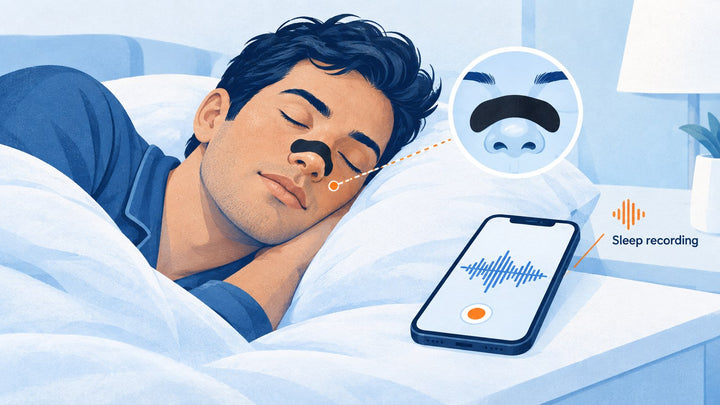
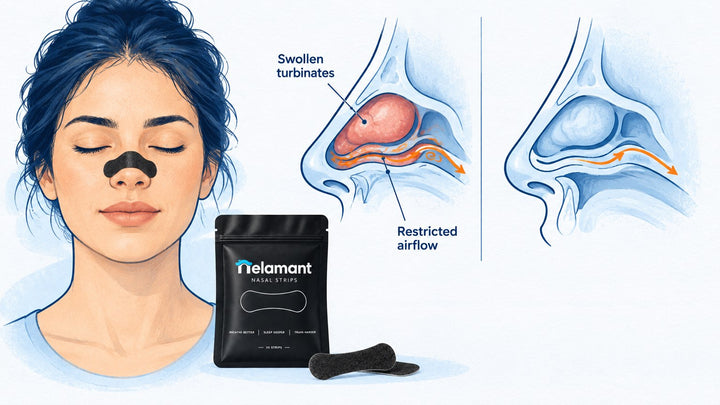
- Address nasal airflow. When the nose is congested or structurally narrow, mouth breathing during sleep increases the chance of throat vibration. Improving nasal airflow can meaningfully reduce snoring that originates from nasal resistance. An external nasal strip like Nelamant Air gently lifts the sides of the nasal passage to widen airflow - useful for people whose snoring is driven by nasal congestion, narrow passages, or nighttime stuffiness. It supports easier nose breathing during sleep without any medication.
- Maintain a healthy weight. Excess tissue in the neck and throat area increases the pressure on the upper airway during sleep. Weight loss in people who are overweight is one of the most consistently effective long-term interventions for snoring.
- Establish consistent sleep timing. Deep sleep stages involve the greatest muscle relaxation. Sleep deprivation followed by rebound sleep dumps you quickly into deep sleep and can intensify snoring. Regular sleep-wake timing reduces this effect.
- Treat nasal or allergy-related congestion. If seasonal allergies or chronic nasal inflammation are a driver, addressing them directly reduces the nasal resistance that compounds snoring.
For a comprehensive view of options across all snoring causes - lifestyle changes, positional aids, devices, and professional interventions - see how to stop snoring.
Open Your Nasal Passages Tonight
Nelamant Air provides a wider, balanced lift to support easier nose breathing - drug-free and gentle enough for nightly use.
$14.99 for 30 strips · 30-day returns
Shop Nelamant AirWhen to See a Doctor
Practical self-help measures are a reasonable first response to mild or positional snoring. See a doctor when:
- A bed partner has observed pauses in your breathing during sleep.
- You wake gasping or choking.
- You feel persistently unrefreshed after a full night of sleep.
- You have significant daytime sleepiness that affects driving, work, or daily functioning.
- Snoring is loud enough to be audible through closed doors.
- Self-help changes have produced no improvement after several weeks.
- You have known cardiovascular conditions, hypertension, or metabolic disorders - in those contexts, untreated heavy snoring warrants prompt evaluation.
A doctor can refer you for a sleep study to rule out or confirm obstructive sleep apnea. Understanding what you're dealing with - whether snoring or something that requires medical treatment - is the foundation of any effective response. The comparison of snoring vs. sleep apnea is a useful starting point before that conversation.
Frequently Asked Questions
Is snoring bad for your heart?
Habitual heavy snoring has been associated with elevated blood pressure and increased cardiovascular risk in population-level studies, though the relationship is not simple cause-and-effect. Chronic sleep fragmentation and the physiological stress of repeated airway narrowing are thought to be contributing factors. Occasional or mild snoring carries far less concern than loud, nightly snoring - particularly when other symptoms like witnessed apneas or daytime sleepiness are present.
Can snoring cause health problems even without sleep apnea?
Yes. Even when a formal sleep apnea diagnosis is not present, chronic loud snoring can fragment sleep, reduce sleep quality, cause daytime fatigue and cognitive impairment, and has been associated with cardiovascular and metabolic changes in observational research. Sleep apnea makes outcomes more severe, but the absence of a diagnosis does not mean snoring is without consequence.
Is snoring dangerous for my partner's health too?
It can be. A partner whose sleep is disrupted nightly by a snorer experiences their own sleep fragmentation, with comparable effects on daytime energy, mood, and cognitive function. Over time, chronic sleep deprivation in both people creates compounding health and relationship effects. This is one reason addressing snoring benefits the whole household, not just the person snoring.
Does loud snoring always mean sleep apnea?
No. Loud snoring and sleep apnea often coexist, but snoring alone does not confirm an apnea diagnosis. Some people snore very loudly without meeting the clinical criteria for sleep apnea; others have sleep apnea with relatively quiet snoring. The distinguishing features are witnessed breathing pauses, oxygen desaturation, and the clinical picture - none of which can be assessed by sound alone. A sleep study is required for a definitive answer. See the guide to snoring vs. sleep apnea for a full breakdown.
When should I see a doctor about snoring?
See a doctor if snoring is accompanied by any red-flag symptoms: witnessed apneas, gasping or choking during sleep, persistent daytime sleepiness, morning headaches, or waking with a dry mouth regularly. Also see a doctor if snoring is loud, nightly, and not responding to basic self-help measures - especially if you have existing cardiovascular conditions or hypertension. A general practitioner can assess whether a sleep study or specialist referral is appropriate.
The Bottom Line on Whether Snoring Is Bad for You
Snoring is not automatically dangerous, but it is not always harmless either. Occasional snoring tied to specific triggers - congestion, alcohol, sleep position - is common and manageable. Chronic, loud snoring carries real associations with fragmented sleep, cardiovascular strain, and impaired daytime function, and can significantly disrupt a partner's health too. Whether snoring is bad for you comes down to frequency, severity, and what it might be signaling about your airway during sleep. Start with the practical steps above, address nasal airflow where it's a factor, and take the red-flag symptoms seriously as a prompt to get evaluated.