Thomas Tiemann

This article is for general information, not medical advice.
A runny nose when running is almost always your body doing its job, not a sign something is wrong. Increased breathing rate, cold or dry air, and a nervous-system reflex called exercise-induced rhinitis all push your nose to produce more mucus or fluid than usual. Understanding the trigger is the fastest route to the right fix.
- A dripping nose during a run is most often exercise-induced rhinitis - a non-allergic reflex, not an infection.
- Cold, dry, or high-pollen air amplifies the response; indoor runs can reduce it.
- A stuffy nose after exercise is a separate rebound effect caused by blood flow returning to the turbinates.
- Warming up gradually, breathing through your nose, and managing allergen exposure are the most reliable long-term fixes.
- Opening your nasal passages before and during a run can reduce the effort of nose breathing and ease both runny and stuffy symptoms.
- Persistent symptoms, facial pain, or colored discharge warrant a doctor visit.
What Is Exercise-Induced Rhinitis?
Exercise-induced rhinitis (EIR) is an inflammation of the nasal lining triggered by physical exertion rather than an allergen or infection. It produces sneezing, a watery drip, nasal congestion, or some combination of all three - and it can affect runners whether or not they have any known allergies.
EIR is not fully understood, but the leading explanation involves the autonomic nervous system. Hard breathing stimulates the parasympathetic branch, which increases glandular secretions in the nose - the same mechanism that causes your mouth to water. At the same time, the turbinates (the bony ridges inside your nose) swell slightly in response to increased airflow demand, narrowing the passages further. For a deeper look at why nasal airflow matters during physical effort, see the full guide to nasal breathing during exercise.
Runny vs. Stuffy: Two Different Responses
During a run, most people experience the runny side: a thin, watery drip that appears within minutes of starting. This is glandular secretion driven by the parasympathetic reflex described above. The stuffy side - congestion that tightens the nose during or after exertion - involves a different mechanism: blood pooling in the turbinate tissue. The two can overlap, and some runners flip from runny to stuffy as intensity changes. Knowing which pattern is yours helps you choose the right approach.
Why Your Nose Runs When You Run
Several factors stack up to produce a runny nose when running, and they often act together:
- Parasympathetic reflex. Increased respiratory demand activates the nerve pathway that signals the nasal glands to secrete, flooding the nasal lining with thin mucus.
- Cold or dry air. Running in cold air can increase watery secretion. The nose is trying to warm and humidify high volumes of air very quickly; the excess fluid drips out.
- High airflow volume. At moderate to hard effort, breathing rate and depth increase sharply. More air crosses the nasal mucosa per minute, and more secretion is the result.
- Allergens in the environment. Pollen, mold spores, and vehicle exhaust during outdoor runs layer a true allergic response on top of the mechanical one. The nose that was already dripping from EIR now has additional histamine-driven inflammation to deal with.
- Pollution and particulates. Urban runners may find their symptoms worsen on high-traffic routes, even outside of allergy season.
- Pre-existing nasal inflammation. A mild cold, early allergy flare, or chronic rhinitis that felt manageable at rest can become very noticeable at running intensity.
What Causes a Stuffy Nose After Exercise?
Post-exercise congestion - that tight, blocked feeling that often sets in within minutes of finishing a run - is a different problem from the mid-run drip. When you stop exercising, blood that was redirected to the working muscles starts to return to central circulation. The nasal turbinates, which receive rich blood supply, can become engorged relatively quickly. This rebound swelling narrows the airway in the same way that lying flat at night does.
It is not an infection, and it usually clears within 20 to 40 minutes as circulation normalises. A cool-down walk rather than stopping abruptly may reduce the sharpness of the rebound. If the stuffiness lingers well beyond an hour, or comes with facial pressure and colored discharge, see the section on when to see a doctor below.
For a broader set of strategies for relieving nasal congestion after any trigger, the full guide to how to unblock a stuffy nose covers both mechanical and lifestyle approaches in detail.
Common Triggers at a Glance
| Trigger | Runny | Stuffy | Notes |
|---|---|---|---|
| Parasympathetic reflex (EIR) | ✓ | - | Thin, watery drip; begins within minutes |
| Cold or dry air | ✓ | - | Worsens below ~50 °F; indoor treadmill reduces it |
| Airborne allergens | ✓ | ✓ | Seasonal pattern; itchy eyes common |
| Post-exercise turbinate rebound | - | ✓ | Starts as run ends; resolves in 20–40 min |
| Pollution / particulates | ✓ | ✓ | High-traffic routes; consider route timing |
| Pre-existing rhinitis or cold | ✓ | ✓ | Amplified at exercise intensity; rest may be needed |
How to Fix a Runny Nose When Running
There is no single switch to turn off a runny nose when running, but stacking a few practical steps consistently makes a real difference for most runners.
- Warm up gradually. Jumping straight to hard effort increases the abruptness of the autonomic shift. A 5- to 10-minute easy jog before building intensity gives the nasal lining time to adapt.
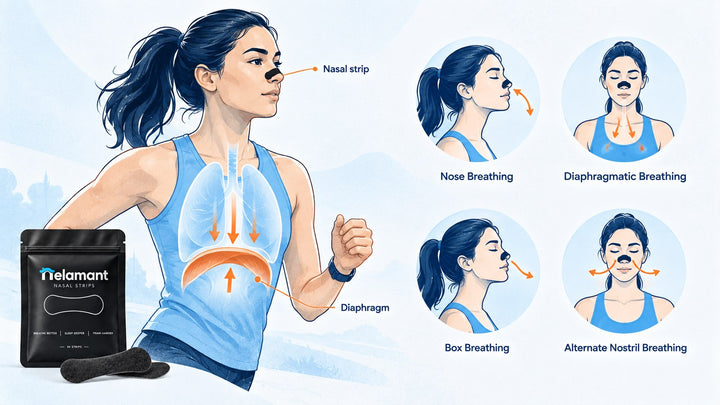
- Try nose breathing at lower intensities. Breathing through your nose - at least during warm-up and easy-pace running - filters and humidifies air before it hits the mucosa, which can reduce the secretion response compared to cold, dry mouth-breathing. This takes practice; see the complete guide to nose breathing while running for a progressive approach.
- Dress for the conditions. A neck gaiter or buff pulled loosely over your mouth and nose on cold days creates a pocket of warmer, moister air. This is one of the most effective cold-weather tools.
- Time outdoor runs strategically. Pollen counts are typically highest in the morning and on dry, windy days. If seasonal allergies amplify your EIR, a midday or evening run on a calm day can reduce the combined load.
- Consider a pre-run antihistamine if allergies are a confirmed factor. Non-drowsy antihistamines are commonly used before outdoor workouts during allergy season. Discuss options with your doctor rather than guessing at dose or product.
- Use a saline nasal rinse before heading out. Rinsing with sterile, distilled, or previously boiled-and-cooled water clears debris and reduces baseline inflammation without medication. Use only safe water in any nasal irrigation device.
- Keep a tissue or small towel tucked in your kit. For races and long runs, this is simply the most direct solution during a run when nothing else is available.
Opening Your Nasal Passages Before and During a Run
One mechanical reason a runny nose becomes more disruptive mid-run is that any degree of turbinate swelling makes the already-narrow passages feel flooded with even small amounts of secretion. Physically widening the nasal opening reduces that sensation and makes breathing more comfortable at effort.
Nelamant Air nasal strips apply a gentle, balanced lift across the bridge of the nose, spreading the nasal walls outward so that airflow is easier even when mucus or swelling is present. The extra-hold adhesive is designed to stay on through sweat, which matters on a run where a strip that peels off after a kilometre is more distraction than help. For a full comparison of options for runners specifically, see the guide to the best nasal strips for running.

Managing Exercise-Induced Rhinitis Long-Term
For runners who deal with a runny nose on nearly every run, a reactive fix-it-on-the-day approach gets tiring. Long-term management of exercise-induced rhinitis focuses on reducing baseline nasal inflammation so the EIR reflex has less to work with.
- Identify and reduce allergen exposure. If your EIR is consistently worse during spring or fall, allergy testing can confirm whether pollen is a co-trigger. Knowing your specific allergens lets you make smarter decisions about when and where you run.
- Use a daily nasal rinse. Regular saline irrigation - again, always with safe, sterile or distilled water - keeps the mucosa clear and can lower the baseline secretion volume.
- Keep the nasal lining hydrated. Dry indoor heating during winter can leave the nasal lining irritated before you even step outside. A saline spray or gel can help; discuss prescription options with a doctor if dryness is severe.
- Train consistently. Track whether symptoms change with the weather, route, or intensity rather than assuming fitness will resolve EIR. Improved fitness is not an established treatment for exercise-induced rhinitis.
- Keep a run log. Note temperature, pollen level, route, and symptom severity. Patterns often become obvious within a few weeks and point toward specific triggers you can control.

When to See a Doctor
Most exercise-induced runny noses need nothing beyond the practical steps above. Seek medical advice if you notice:
- Thick yellow or green discharge that does not clear within 10 to 14 days - this suggests infection, not EIR.
- Facial pain or pressure, particularly around the cheeks, forehead, or behind the eyes.
- Symptoms that are getting progressively worse over weeks despite environmental changes.
- A unilateral discharge (one nostril only, consistently) that does not resolve - this has a broader differential and warrants investigation.
- Symptoms severe enough to prevent nose breathing entirely during easy runs, which may point to structural issues such as a deviated septum or enlarged turbinates.
For guidance on when nasal congestion specifically warrants a clinic visit, the detailed article on when to see a doctor for nasal congestion covers the key warning signs and what to expect at an appointment.
Frequently Asked Questions
What is exercise-induced rhinitis and is it the same as having a cold?
Exercise-induced rhinitis is a reflex response of the nasal lining to physical exertion - not an infection. The drip is thin and watery rather than thick and colored, and it typically starts within the first few minutes of running and stops soon after you finish. A cold involves viral infection and usually comes with systemic symptoms like fatigue, sore throat, and fever that persist at rest.
Why does my nose get stuffy after exercise rather than during it?
The stuffy nose after exercise is a rebound effect. During a run, adrenaline and increased blood pressure keep the turbinates relatively open. When you stop, circulation redistributes and the turbinate tissue can engorge quickly, narrowing the airway. The effect usually resolves within 20 to 40 minutes. A cool-down walk may ease the transition.
Does cold air make a runny nose when running worse?
Yes, significantly. Cold air carries less moisture than warm air, so your nasal lining produces more secretion to condition the large volumes of air you breathe during running. Temperatures below roughly 50 °F (10 °C) tend to worsen symptoms noticeably. A neck gaiter that traps a small pocket of warmer, humid air near the nose is a practical counter.
How do I know if my running nose is allergies or exercise-induced rhinitis?
Allergic rhinitis typically comes with itchy eyes, sneezing fits, and a seasonal pattern tied to specific pollen calendars. EIR can happen on any run regardless of season, and symptoms usually stop within minutes of finishing. Many runners have both: allergens amplify an already-active EIR reflex. Allergy testing provides a definitive answer if the pattern is unclear.
Can I wear a nasal strip while running to reduce a blocked nose?
Yes. External nasal strips are designed for exactly this kind of use - they are worn by athletes during workouts and competition. The key for running is an adhesive strong enough to stay put through sweat. A strip that widens the nasal opening reduces the subjective sense of blockage and makes nose breathing easier even when the mucosa is active. Apply to clean, dry skin before you start and the strip is less likely to shift mid-run.
Ready to breathe more freely on your next run?
Nelamant Air - Built to Stay On Through Sweat
$14.99 for 30 strips · 30-day returns
Shop Nelamant AirConclusion
A runny nose when running is one of the most common and least dangerous things that can happen mid-workout. Exercise-induced rhinitis, cold air, allergens, and post-run turbinate rebound each play a role, and in most cases a combination of gradual warm-up, nose breathing practice, environmental timing, and mechanical support is enough to make runs genuinely more comfortable. If symptoms push past what you can manage with those tools, a doctor can rule out structural or allergic factors worth treating directly.