Thomas Tiemann

Most nasal strips are designed for a single wear session of up to eight hours - long enough to cover a full night of sleep or an extended workout. Once the adhesive has been worn for that window, the strip has done its job and should come off. To understand why that limit exists, it helps to know how nasal strips work and why the design matters.
- The standard wear window for a nasal strip is up to eight hours.
- Leaving a strip on longer does not improve airflow and can degrade adhesive bond and skin comfort.
- Each strip is single-use; the adhesive is not designed to be re-applied after removal.
- Warm water and a slow peel make removal easy and keep skin irritation minimal.
How Long a Nasal Strip Is Designed to Be Worn
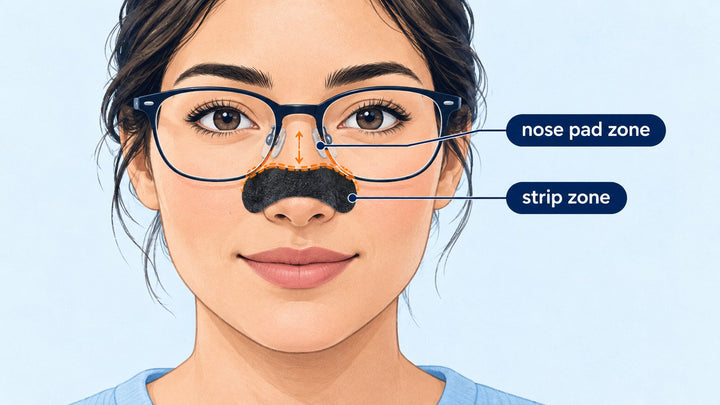
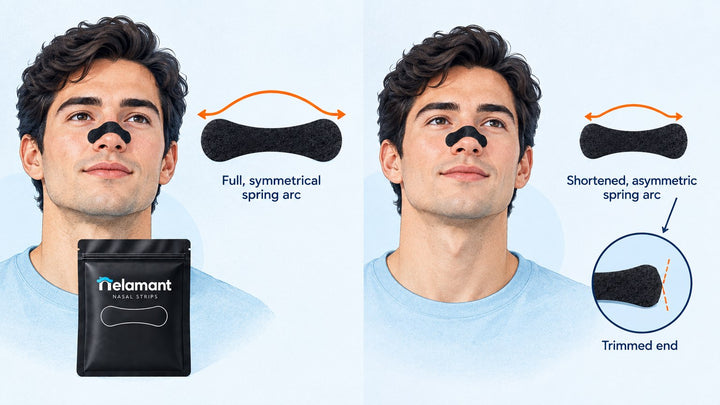
A nasal strip works through a small spring-like band laminated under an adhesive backing. When the strip is pressed onto the nose bridge, that band tries to return to its flat shape, gently lifting the sides of the nasal passages and widening the airway opening. The adhesive is what keeps the mechanical lift active - so the useful wear time is tied directly to how long the adhesive maintains a firm, even grip on skin.
Most strips, including Nelamant Air, are formulated for up to eight hours of continuous wear. That figure aligns with a typical sleep cycle or a moderately long athletic session. After roughly eight hours, adhesive strength naturally starts to taper, and the strip may begin to loosen at the edges even if it has not fully detached. At that point it is no longer delivering consistent lift, so continuing to wear it offers little benefit.
The strip is also a single-use product. The adhesive layer is activated on first application; re-pressing a partially detached strip back onto skin does not restore the original bond. Reusing nasal strips is covered in its own guide, but the short answer is that it is not recommended for hygiene or performance reasons.
Wearing One All Day vs. Overnight
The eight-hour window covers the two most common scenarios - sleeping and exercise - but the specifics differ a little between them. Knowing when to use nasal strips and which situations they suit best can help you get more consistent results.
Overnight Use (6–9 Hours)
Sleeping is the primary use case for most people. A typical sleep session runs seven to nine hours, which sits right at the edge of the designed wear window. For most users the strip remains effective through the night, though toward hour eight or nine adhesive grip can start to ease - especially if you run warm or move around a lot. Nelamant Air uses an extra-hold adhesive formulated to resist sweat, skin oils, and overnight movement, which helps maintain lift through a full sleep cycle without aggressive bonding that would make morning removal uncomfortable.
If you wake up and the strip has shifted noticeably, that is a normal sign the adhesive has reached its limit. Remove it, discard it, and apply a fresh strip the following night if needed.
Daytime and Workout Use
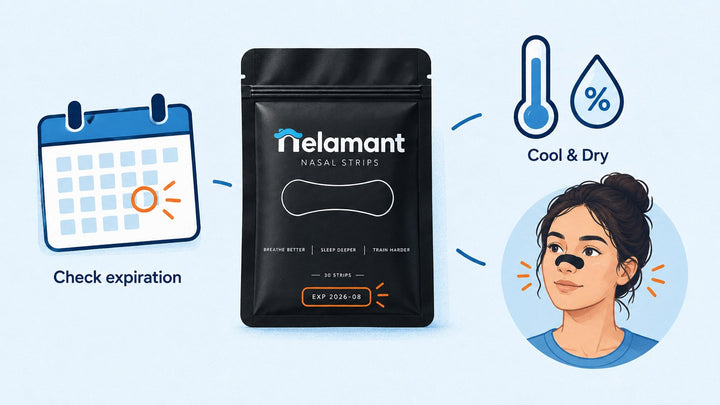
Daytime wear - during a workout, a run, or a congested afternoon - is well within the eight-hour window as long as a single session is involved. Sweat and sebum are the main factors that shorten adhesive life during exercise; the higher the intensity and perspiration, the sooner the strip may start to peel. Applying to clean, dry skin before activity (rather than after you have already started sweating) gives the best hold. If you use a strip during a morning workout and then want one again that night, use a fresh strip for the second session rather than trying to re-apply the first.
If you are using nasal strips regularly - day after day - whether it is safe to use nasal strips every night is a reasonable question, and that article covers daily use in full.
Signs It's Time to Remove a Strip
You do not need to watch a clock. The following cues tell you a strip is ready to come off:
- Edges lifting or curling. The first sign of adhesive fatigue is usually one corner peeling away from skin. Once an edge is up, the strip is losing its mechanical leverage.
- Reduced sensation of lift. If the gentle outward tension you felt when the strip was fresh has noticeably faded, the spring band is no longer being held in full tension against the nose.
- Eight or more hours have passed. Even if the strip still looks flat, the designed wear window has closed.
- Skin feels irritated under the strip. Any itching, burning, or redness under the adhesive area is a signal to remove the strip promptly and let skin breathe. Any adhesive can cause skin irritation.
Why You Shouldn't Wear the Same Strip Twice
Once a strip comes off - whether intentionally in the morning or because it detached during the night - the adhesive has transferred oils, skin cells, and moisture onto its surface. Pressing it back on will not restore the original bond, and the accumulated debris on the adhesive layer raises a basic hygiene concern for something worn directly on your face.
The spring band inside also loses some of its set tension after the first full wear. You may feel a slight lift on re-application, but it will be weaker and less even than a fresh strip provides. For everything that happens to adhesive quality after removal, the dedicated guide on whether you can reuse nasal strips explains it in detail.
Practically speaking, a 30-strip pack covers a full month of nightly use, making single-use straightforward to budget for.

How to Remove a Strip Without Skin Irritation

Removal is straightforward, but doing it carefully keeps skin comfortable - particularly if you wear strips every night. The full technique is in the guide on using nasal strips every night and the dedicated article on how nasal strips work, but the essentials are:
- Dampen the strip. Splash warm water onto your nose or press a warm damp cloth against the strip for ten to fifteen seconds. This softens the adhesive and breaks some of the bond.
- Start at one edge. Lift a corner gently rather than grabbing the center. Starting at a natural lifting point reduces the force needed.
- Peel slowly and low. Pull parallel to the skin surface rather than straight out. A slow, even peel distributes the pull and minimizes the chance of red marks.
- Rinse any residue. Warm water removes the thin adhesive film that can remain on skin. No solvent or oil is needed with a well-formulated strip.
If your skin is sensitive or you find any stickiness remains after rinsing, a small amount of gentle facial oil or micellar water will dissolve residual adhesive without scrubbing.
Frequently Asked Questions
How long can you wear a nasal strip before it stops working?
The designed wear window is up to eight hours. After that, adhesive strength begins to taper and the spring band's lift becomes less consistent. Using a fresh strip for each session keeps the mechanical benefit at full strength.
Can you wear nasal strips all day, not just at night?
Yes. There is no restriction to nighttime only - daytime wear for congestion, focused work, or exercise is well within the eight-hour window. Just apply to clean, dry skin for the best hold, and use a fresh strip if you want one for both a daytime session and overnight sleep.
How long do nasal strips last on oily or sweaty skin?
On oily or sweaty skin, adhesive life can be shorter than eight hours. Washing and thoroughly drying the nose bridge before applying, and waiting a minute or two before sticking the strip down, makes a significant difference. Nelamant Air's extra-hold adhesive is formulated to resist sweat and oil better than standard formulas, but skin preparation still matters.
Is it safe to sleep with a nasal strip on all night?
For most adults, yes - sleeping with a nasal strip on for a full night is within the intended use. The strip is drug-free and acts purely through gentle mechanical lift. If you notice skin redness, irritation, or discomfort under the strip when you wake up, take a night off and check whether you are applying the strip correctly and to fully clean skin.
What happens if you leave a nasal strip on too long?
Leaving a strip on beyond eight hours mainly means you are wearing something that is no longer delivering reliable lift. The adhesive may also become harder to remove cleanly after very extended wear, which can cause more friction on the skin during peel-off. There is no dramatic safety concern for occasional over-wear, but it is not a reason to extend the session - fresh strips perform better.
The Bottom Line
For most people and most situations, the answer to how long you can wear a nasal strip is eight hours - one sleep cycle or one active session per strip. Apply to clean dry skin, remove gently with warm water, and use a fresh strip next time. If you want to go deeper on the mechanics behind that wear window, the full guide to how nasal strips work and why the design matters covers the spring-band and adhesive system in detail.