Thomas Tiemann

This article is for general information, not medical advice.
If you've suddenly started snoring-or someone in your household just pointed it out-there's almost always a specific trigger behind it. Snoring begins when airflow through your nose or throat becomes restricted enough that surrounding tissues vibrate, and a new trigger can create that restriction overnight. The most common culprits are weight gain, nasal congestion, alcohol, sleeping on your back, and age-related muscle changes, all of which are worth understanding before assuming the worst.
For a full overview of how to address snoring once you've identified the cause, see how to stop snoring.
- Snoring can start suddenly when something new restricts your airway-it rarely appears for no reason.
- The most common sudden triggers are weight gain, nasal congestion, alcohol or sedatives, back sleeping, and hormonal shifts.
- Many triggers are reversible once identified and addressed.
- Snoring that comes with gasping, choking, or daytime exhaustion warrants a doctor visit to rule out sleep apnea.
- If your snoring originates in the nose, opening the nasal passages can reduce or eliminate it.
What Actually Makes You Snore
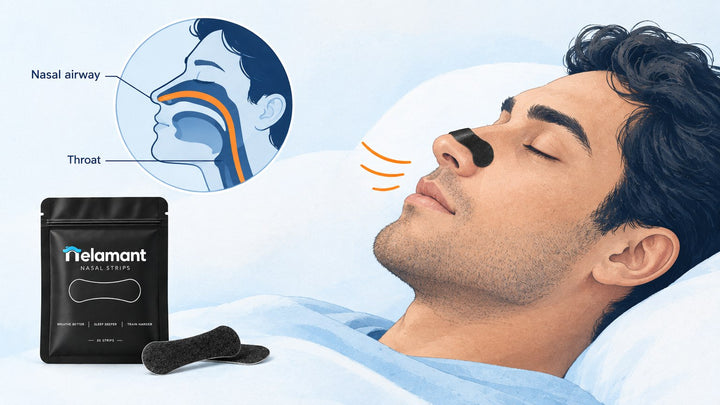
Snoring is the sound of turbulent airflow vibrating soft tissue-most often the soft palate, uvula, or the back of the throat-when the airway narrows during sleep. That narrowing can happen at several points: inside the nose, at the level of the soft palate, or at the base of the tongue.
Understanding where your snoring originates matters because the fix depends on the location. Nose-based snoring responds well to measures that open the nasal passages; throat-based snoring may need different approaches entirely. The full breakdown of anatomy and contributing factors lives in the guide to what causes snoring-worth reading if you want to pinpoint your specific type before deciding on a solution.
Common Reasons Snoring Starts All of a Sudden
Sudden snoring nearly always traces back to one of the triggers below. Some are temporary; others tend to persist until you actively address them.
Weight Gain or Body Composition Changes
Extra tissue around the neck and throat narrows the airway, and even a modest gain of a few pounds can be enough to tip a borderline airway into one that vibrates at night. Fat deposits don't just accumulate externally-they build up around the pharynx internally as well, compressing the space that air travels through. This is one reason snoring often starts in midlife even without dramatic weight changes: body composition shifts over time. The relationship between body changes and snoring intensity is explored further in the guide to whether snoring gets worse with age.
Congestion, Illness, or Allergies
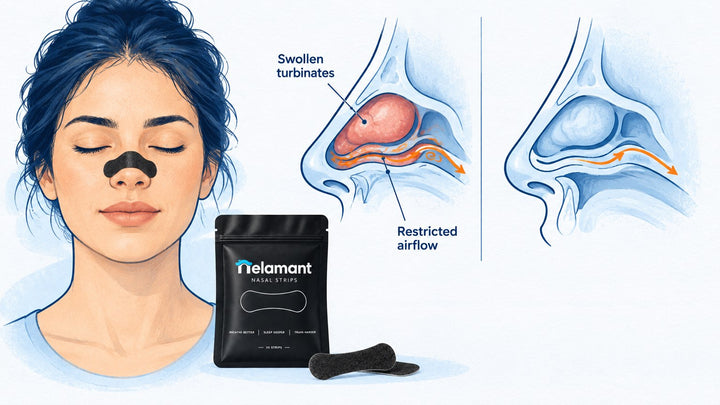
A blocked or inflamed nose forces you to breathe through your mouth or pulls air through a much narrower passage, both of which generate turbulence and vibration. A head cold, seasonal allergies, or a sinus flare-up can turn a non-snorer into a loud one within 24 hours-and then snoring disappears once the inflammation settles. If you've started snoring during or after an illness, the guide to snoring when sick covers exactly this pattern and what tends to help.
Alcohol, Sedatives, and Muscle Relaxants
Alcohol is one of the most reliable snoring triggers available over the counter. It relaxes the muscles of the throat and soft palate more than normal sleep does, allowing tissues to sag into the airway and vibrate. Benzodiazepines, antihistamines, and some pain medications have a similar effect. If you've recently started having a drink or two in the evening-or begun a new medication-that timing correlation is worth noting. There's a dedicated look at this mechanism in the article on whether alcohol makes you snore.
Sleep Position Changes
Sleeping on your back lets gravity pull the tongue and soft palate toward the back of the throat, narrowing the airway passively. If you've recently changed your mattress, started sharing a bed, recovered from an injury that kept you in one position, or simply drifted into back-sleeping, that alone can introduce snoring that wasn't there before. Side sleeping is consistently associated with quieter nights for people whose snoring is position-dependent.
Age-Related Muscle Tone Loss
The muscles that keep the airway open during sleep naturally lose tone with age, and this process accelerates in the 40s and 50s. You may have been fine for years and then cross a threshold where those muscles no longer hold the airway open reliably during deep sleep. This is gradual, but it can feel sudden if you've never noticed it before-or if a bed partner only recently mentioned it. See does snoring get worse with age for a more detailed look at what's happening and why it progresses.
Hormonal and Life-Stage Shifts
Hormonal changes-particularly in women during pregnancy, perimenopause, and menopause-can cause nasal congestion, increased tissue laxity, or weight redistribution that brings on snoring for the first time. Estrogen and progesterone play a role in maintaining upper airway muscle tone, so their decline is a genuine physiological trigger, not incidental. If this pattern applies to you, the guide to why women snore covers the hormonal mechanisms in more depth.
Lifestyle Triggers vs. Structural Causes
Most sudden-onset snoring falls into one of two broad categories: triggers that are reversible once removed, and structural or progressive changes that tend to persist without active intervention.
| Likely reversible triggers | May need active management |
|---|---|
| Head cold or respiratory infection | Sustained weight gain around the neck |
| Seasonal allergies (when managed) | Age-related loss of airway muscle tone |
| Alcohol or sedatives before bed | Hormonal changes (perimenopause, menopause) |
| Back-sleeping position | Deviated septum or nasal valve narrowing |
| Temporary nasal inflammation | Persistently enlarged turbinates |
Reversible triggers are worth addressing first-they're often the explanation for snoring all of a sudden, and removing them may resolve the problem entirely. If snoring continues after you've eliminated obvious triggers, something structural or progressive is more likely at play.
When Sudden Snoring Could Mean Something More
Snoring that starts suddenly and comes with specific accompanying symptoms deserves medical attention rather than a wait-and-see approach. The symptoms that shift snoring from a nuisance into a possible health signal are:
- Witnessed pauses in breathing during sleep (someone notices you stop and restart)
- Gasping, choking, or snorting yourself awake
- Waking unrefreshed despite a full night of sleep
- Excessive daytime sleepiness that interferes with daily function
- Morning headaches on a regular basis
- Notable mood changes, difficulty concentrating, or irritability
These patterns can be associated with obstructive sleep apnea, a condition where the airway closes repeatedly during sleep. Snoring alone is not a diagnosis of sleep apnea-many people snore without any apneic episodes-but the combination of loud, sudden-onset snoring with any of the symptoms above is worth discussing with a doctor. The article on snoring vs. sleep apnea explains the key differences and what a proper evaluation involves.
When to See a Doctor
See a doctor if your snoring started suddenly with no obvious trigger, if it's accompanied by any of the warning signs listed above, or if it persists for more than a few weeks despite removing likely causes. A physician can assess whether a sleep study is appropriate and rule out structural issues like a deviated septum or enlarged tonsils that benefit from targeted treatment.
For guidance on nasal and congestion-related concerns that may be contributing to your snoring, the article on snoring vs. sleep apnea also covers when upper airway symptoms require professional evaluation.

What You Can Try Right Now
If you've identified a likely trigger, these are practical first steps while you work on the underlying cause:
- Switch to side sleeping. A body pillow behind your back can help prevent rolling onto your back during the night.
- Cut alcohol at least three hours before bed. Even reducing the amount consumed in the evening tends to quiet throat-muscle relaxation.
- Address nasal congestion before sleep. Saline rinses, elevating the head of the bed slightly, or a humidifier can reduce the nasal obstruction that forces mouth breathing and drives nose-based snoring.
- Review new medications with your prescriber. If snoring coincided with starting a new drug, ask whether an alternative without sedating effects exists.
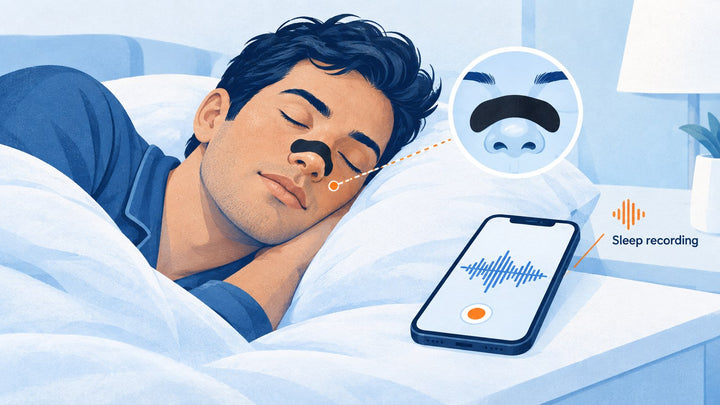
- Open the nasal passages mechanically. If your snoring stems from a narrow or congested nose rather than the throat, an external nasal strip can help. Nelamant Air nasal strips are designed with a wider, balanced lift across the nose bridge-helping open nasal passages and support easier nose breathing through the night without any medication. They're worth trying as an immediate, drug-free step while you investigate other triggers.
A broader set of approaches-positional therapy, myofunctional exercises, and clinical options-is covered in the full guide to how to stop snoring.

Frequently Asked Questions
Can snoring really start overnight with no warning?
Yes-when a clear trigger is present, snoring can appear in a single night. Drinking alcohol before bed, developing a head cold, taking a sedating antihistamine, or starting to sleep in a different position can all produce snoring by the next morning. The more relevant question is whether anything changed recently in your habits, health, or environment.
Is sudden snoring a sign of sleep apnea?
Not automatically. Snoring is common and often has a benign, reversible cause. Sleep apnea is a specific clinical condition characterized by repeated airway closures during sleep, and it requires proper evaluation-not just the presence of snoring-to diagnose. If your snoring comes with gasping, unrefreshed sleep, or daytime fatigue, read the guide to snoring vs. sleep apnea and speak with a doctor.
Does weight gain always cause snoring to start?
Not always, but it's one of the strongest modifiable risk factors. Weight gain-especially around the neck and upper body-narrows the pharyngeal airway and increases the likelihood that tissue will vibrate during sleep. How much weight gain produces snoring varies considerably between individuals depending on baseline anatomy and muscle tone.
Can a cold or allergies cause snoring all of a sudden?
Absolutely. Nasal inflammation from a cold, flu, or allergy flare reduces airflow through the nose, pushing you toward mouth breathing and increasing airway turbulence. This is one of the most common reasons people snore all of a sudden without any prior history. In most cases it resolves once the inflammation does. For more detail, see snoring when sick.
Will snoring go away on its own once the trigger is gone?
If the trigger is genuinely temporary-illness, a night of drinking, a short spell of back-sleeping-then yes, snoring often resolves on its own. If the trigger is ongoing (sustained weight gain, hormonal change, progressive muscle tone loss), snoring is unlikely to disappear without actively addressing that underlying factor. The persistence of snoring after a trigger has been removed is a useful signal that something else may be contributing.
The Short Answer
Asking why did I start snoring is the right first question, because the answer almost always points to a specific, identifiable change. Work backward through the triggers-weight, congestion, alcohol, sleep position, age, hormones-and you'll often find the culprit. Address reversible causes first, take note of any warning symptoms, and if snoring persists or comes with signs beyond noise, get it evaluated professionally. Nasal snoring, in particular, is one of the most tractable types to address once you know that's what you're dealing with.