Thomas Tiemann

This article is for general information, not medical advice.
Mouth tape can reduce snoring for some people - specifically those whose snoring happens because they breathe through their mouths at night. If your mouth drops open and the soft tissues of the throat vibrate with each breath, keeping your lips together may quiet things down. But mouth taping does nothing for snoring caused by nasal obstruction, throat anatomy, or other airway issues, and it carries real safety considerations you should know before you try it. For a full picture of snoring causes and solutions, start with the complete guide to how to stop snoring.
- Mouth tape works by keeping the mouth closed, redirecting airflow through the nose - it only helps if mouth breathing is the primary reason you snore.
- If your nose is congested or structurally obstructed, mouth tape cannot fix the snoring and may make breathing harder.
- People with suspected or diagnosed sleep apnea should not use mouth tape without medical guidance - it is not a substitute for prescribed treatment.
- Nasal strips address the nasal side of the equation; the two approaches target different parts of the problem and can be combined in some cases.
- If snoring is frequent, loud, or accompanied by gasping or daytime fatigue, see a doctor before self-treating.
What Mouth Taping Actually Does
Mouth tape is a strip of skin-safe adhesive tape applied horizontally across the lips before bed to keep them lightly closed during sleep. The idea is straightforward: if your mouth stays shut, air travels through your nose instead of your mouth and throat.
Why does that matter for snoring? When you breathe through an open mouth, the airstream passes across relaxed soft-palate and throat tissues at a relatively high velocity and with less structural support than nasal breathing provides. That vibration is what most people recognize as a snoring sound. Nose breathing routes air differently, and the natural resistance of the nasal passages tends to reduce the turbulence that makes those tissues flutter.
Mouth taping does not physically change your throat anatomy, treat inflammation, or open a blocked nasal passage. It is a mechanical prompt - a reminder to your sleeping body to keep the mouth closed. Whether that prompt solves your snoring depends entirely on what is causing it.
When Mouth Tape Can Help with Snoring
The people most likely to get a genuine benefit from mouth taping for snoring are habitual mouth breathers whose nasal passages are reasonably clear and unobstructed.
Why mouth-breathing snorers are the target audience
If you wake up with a dry mouth, your partner notices your mouth is open while you sleep, or you find yourself consciously breathing through your mouth during the day, there is a reasonable chance mouth breathing is a significant part of your nighttime breathing pattern. For this group, keeping the mouth closed eliminates the root cause of that particular type of snoring - open-mouth throat vibration - and redirecting air through the nose can make a meaningful difference.
Signs that mouth tape is more likely to help your snoring:
- Your nose is clear on most nights - no chronic congestion, allergies, or structural issues.
- You consistently wake with a dry or sore mouth and throat.
- Snoring seems to stop or lighten when you consciously breathe through your nose while awake.
- A bed partner confirms your mouth is open when snoring occurs.
Even within this group, results vary. Snoring often has more than one contributing factor, and mouth taping addresses only one of them.
When Mouth Tape Won't Stop Snoring
Mouth taping does not stop snoring that originates from the nose, from a structurally narrow airway, from significant weight-related throat tissue, or from sleep apnea. These causes are upstream or independent of whether the mouth is open.
Nasal obstruction as a barrier
If your nose is blocked - from allergies, a cold, a deviated septum, nasal valve narrowing, or enlarged turbinates - forcing mouth closure does not magically open the nasal airway. It simply makes breathing harder. In this scenario, mouth tape could increase the effort required to breathe during sleep, which is both uncomfortable and potentially unsafe.
This is also why the safety guidance is consistent: do not use mouth tape when nasal breathing is obstructed. Before taping your mouth shut, you need to be confident you can breathe adequately through your nose. If you have any doubt, clear your nose first and test nasal breathing while awake. See whether mouth taping is safe for your situation before starting.
Mouth tape also will not help if your snoring stems from throat anatomy - loose soft palate tissue, a low-hanging uvula, or significant upper airway narrowing - that vibrates regardless of which route the air takes. In those cases, the snoring mechanism exists independently of the mouth being open.

Safety Considerations Before You Try It
Most adults with a clear nasal airway tolerate mouth tape without issue. But the following situations require extra caution or make mouth taping inadvisable:
- Nasal congestion or structural blockage. As noted above, any situation where nasal breathing is unreliable or effortful makes mouth tape potentially unsafe to use overnight.
- Suspected or diagnosed sleep apnea. Mouth taping is not a treatment for sleep apnea and must not replace CPAP or any other prescribed therapy. If your snoring is loud and irregular, you stop breathing momentarily, or you wake unrefreshed, read about the difference between snoring and sleep apnea and talk to your doctor before trying any self-directed snoring remedy.
- Claustrophobia or anxiety about mouth restriction. Some people find mouth tape distressing. A trial while still awake - sitting up, fully alert - before any overnight use is a sensible first step.
- Alcohol or sedatives before bed. These relax airway muscles further. Using mouth tape after drinking is not advisable.
- Skin sensitivity around the lips. Use products specifically designed for mouth taping, not general-purpose tape. If irritation develops, discontinue.
How to Use Mouth Tape Correctly (If You Try It)
If you have confirmed your nasal airway is clear and you have no contraindications, here is a sensible starting approach:
- Confirm nasal patency first. Breathe through your nose with your mouth closed for several minutes while awake. If this is effortless, proceed. If you feel restricted or have to work for air, address the nasal issue before attempting mouth taping.
- Choose a purpose-made product. Skin-safe mouth tape designed for sleep is gentler on lip skin than improvised alternatives. Look for a product that allows the lips to open under mild pressure - not one that locks them shut - so an emergency opening is always possible.
- Start with a short waking trial. Apply the tape while awake and sit quietly for five to ten minutes. Confirm you can breathe comfortably through your nose and that you can open your mouth if needed.
- Apply to clean, dry skin. Lip balm or lotions will reduce adhesion and may cause the tape to peel off, which defeats the purpose.
- Combine with nasal support if appropriate. If your nose tends to narrow at night even when not congested, a nasal strip can help keep the nasal passages open while the tape encourages mouth closure - more on this below.
- Discontinue if you wake distressed, congested, or feeling short of breath. Do not persist through discomfort. These are signals that the approach is not right for you on that night.
Nasal Strips vs. Mouth Tape: Which Addresses the Root Cause?
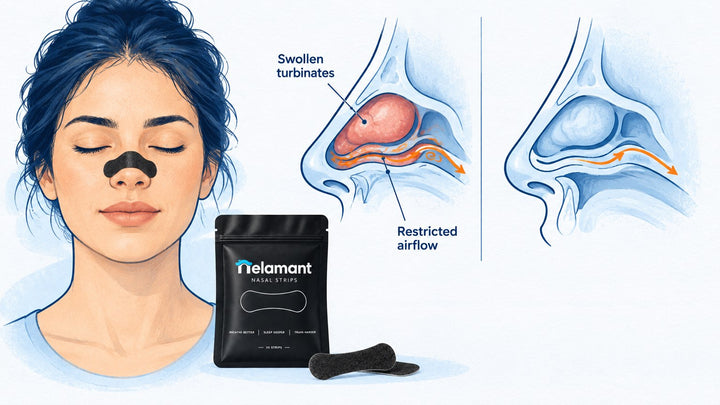
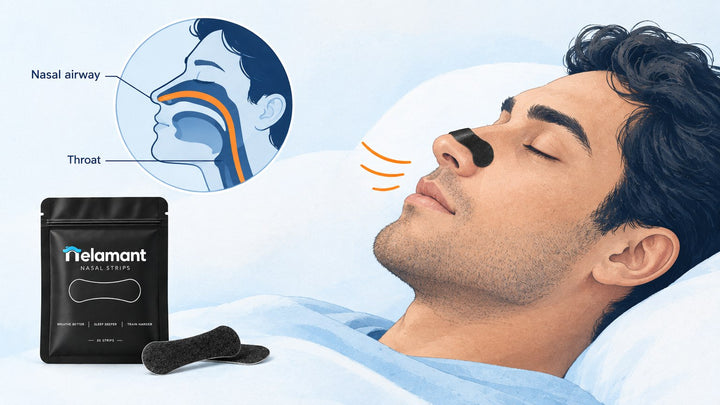
These two tools target different parts of the snoring problem. A nasal strip works on the nose - it physically supports the nasal valve area to widen the nasal passage and reduce airflow resistance, making nose breathing easier. Mouth tape works on the mouth - it encourages lip closure so air routes through the nose rather than the throat. They are not direct competitors; they address different links in the chain.
- If your snoring is nose-based - nasal narrowing or collapse is limiting airflow - a nasal strip is the more direct fix; mouth tape alone will not help.
- If your snoring is mouth-based - open-mouth breathing causing throat vibration - mouth tape targets the cause; a nasal strip alone may not be enough.
- If both factors are in play, both tools together may be more effective than either alone.
For a full side-by-side breakdown of how these approaches compare, see the guide to nasal strips vs. mouth tape.
When the problem is nasal narrowing - the nostril or nasal valve doesn't stay wide enough during sleep - a nasal strip like Nelamant Air applies a wider, more balanced lift across the nasal bridge to support the nasal opening and make nose breathing easier through the night. Its extra-hold adhesive is designed to stay in place overnight without leaving residue, which matters if you are also wearing mouth tape and want both products to stay put.
Try Nelamant Air for nose-side snoring support
$14.99 for 30 strips · 30-day returns
Shop Nelamant Air
Using Mouth Tape and Nasal Strips Together
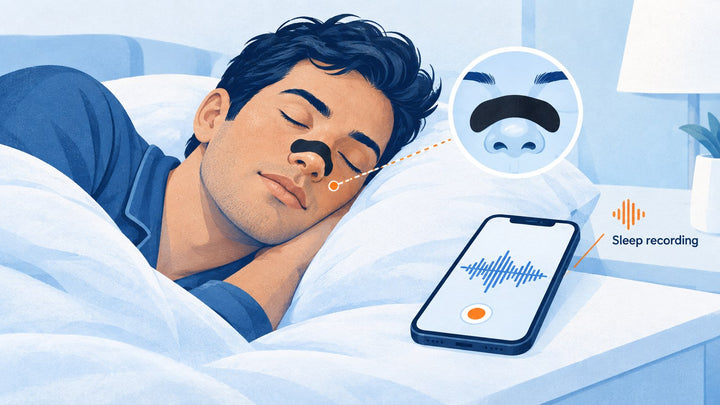
Some people find that combining mouth tape and a nasal strip addresses both sides of the snoring equation at once: the strip keeps the nasal passage open, and the tape keeps the mouth closed, so the body defaults to easy, unobstructed nose breathing. This combination only makes sense when the nasal airway is functional - the strip cannot substitute for a clear nose if significant congestion is present. For a closer look at how these two tools work together and when to use both, see the guide on using mouth tape and nasal strips together.
When to See a Doctor
Mouth tape is a self-managed tool for mild, uncomplicated snoring in otherwise healthy adults with a clear nasal airway. It is not the right first move if any of the following apply:
- Snoring is loud, irregular, or involves pauses in breathing followed by gasps or snorts.
- You feel unrested after a full night of sleep, struggle with daytime sleepiness, or wake with headaches.
- A bed partner is seriously worried about your breathing during sleep.
- Snoring began suddenly or has worsened noticeably in a short period.
- You have known cardiovascular, pulmonary, or neurological conditions.
These patterns can indicate sleep apnea or another condition that needs proper evaluation. Review the differences between snoring and sleep apnea and speak with a healthcare provider before relying on any self-directed snoring remedy.
Frequently Asked Questions
Does mouth tape actually stop snoring, or is it just a trend?
Mouth tape has been studied in selected people with mouth breathing, but it is not an established general treatment for snoring. For this specific group, keeping the mouth closed redirects air through the nose but does not establish that throat vibration will stop. It is not a universal fix, and it should not be relied on to treat nasal obstruction, throat anatomy, or airway conditions like sleep apnea. The evidence base is limited, so do not treat it as a proven cure or try it with a blocked nose.
Is mouth taping safe to use every night?
For adults with a clear nasal airway, no contraindicated conditions, and no suspected sleep apnea, nightly use is generally considered low risk. The key precondition is reliable nasal breathing. If your nose is congested on a given night - due to a cold, allergies, or any other reason - skip the tape that night. Long-term skin irritation around the lips is a practical concern; using purpose-made mouth tape helps minimize this. See whether mouth taping is safe for a more detailed safety breakdown.
Can mouth tape make snoring worse?
In most healthy adults it will not make snoring louder. However, if you have undiagnosed nasal obstruction, restricting mouth breathing without opening the nasal airway can increase breathing effort during sleep, potentially disturbing sleep quality even if snoring reduces. In people with untreated obstructive sleep apnea, altering breathing route without treating the underlying obstruction is not advisable and should be discussed with a doctor.
What is the difference between mouth taping for snoring and using a nasal strip?
They act on different anatomical locations. A nasal strip is applied to the outside of the nose and physically widens the nasal passage, reducing the resistance to nasal airflow - it helps when the nose is the bottleneck. Mouth tape is applied to the lips and keeps the mouth closed, routing air through the nose rather than the throat - it helps when open-mouth breathing is the problem. When both nasal narrowing and mouth breathing contribute to snoring, combining them makes more sense than choosing one. The full comparison is in the guide to nasal strips vs. mouth tape.
Should I try mouth tape if I've been told I might have sleep apnea?
No - not without speaking to a doctor first. Mouth taping is not a treatment for sleep apnea and must never replace CPAP or any other prescribed therapy. In obstructive sleep apnea, the airway collapses repeatedly during sleep; whether your mouth is open or closed does not resolve that obstruction. Using mouth tape with untreated sleep apnea could interfere with compensatory mouth breathing that your body uses as a partial rescue mechanism. If there is any suspicion of sleep apnea, get a proper evaluation. Read more about the distinction between snoring and sleep apnea to understand when professional assessment is essential.
Whether mouth tape stops snoring comes down to one question: is mouth breathing the reason you snore? If the answer is yes and your nose is clear, it is a reasonable, low-cost tool to try carefully. If the answer is no - if your nose is congested, your airway is structurally narrow, or you have any signs of sleep apnea - does mouth tape stop snoring in those situations? The honest answer is no, and in some of those cases it may do harm. Matching the remedy to the actual cause is what makes any snoring intervention work. Start with understanding what is driving your snoring, and the right tool becomes much easier to choose.