Thomas Tiemann

This article is for general information, not medical advice.
Nasal snoring happens when airflow through your nose is partially blocked - by congestion, a narrow nasal valve, or swollen nasal tissue - and the turbulence that results produces that familiar rumbling sound. Because the obstruction is in your nose rather than your throat, targeted nasal snoring remedies are often effective. The right combination of clearing congestion, supporting your nasal opening, and adjusting a few habits can make a real difference for most people who snore nasally.
For a broader look at all snoring types and solutions, see the full guide on how to stop snoring.
- Nasal snoring is caused by restricted airflow through the nose - congestion, structural narrowing, or both.
- Clearing congestion before bed and opening the nasal passages mechanically are the most direct fixes.
- External nasal strips can help by gently lifting and widening the nasal opening, supporting easier nose breathing.
- Lifestyle changes - sleep position, alcohol timing, hydration - reduce soft-tissue swelling that narrows the airway.
- If snoring is loud, gasping, or comes with daytime exhaustion, see a doctor to rule out sleep apnea before self-treating.
Why You Snore Through Your Nose
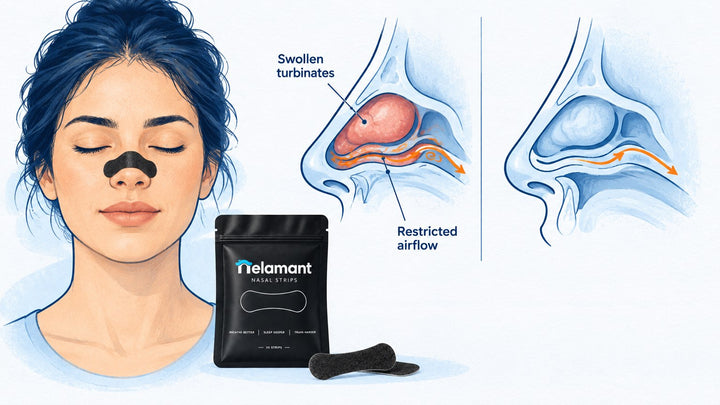
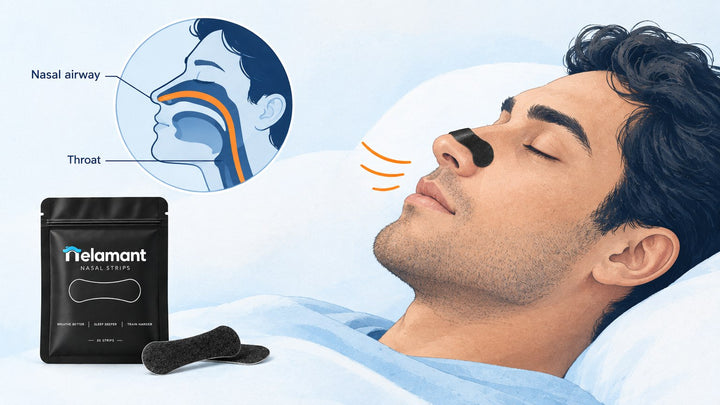
When you breathe through your nose, air flows through a narrow passage - the nasal valve - before passing into your throat and lungs. If that passage is even slightly narrowed, air has to move faster to get through. Faster air through a narrow tube creates turbulence, and turbulence causes the surrounding soft tissue to vibrate. That vibration is snoring.
Two main categories of narrowing drive nasal snoring: temporary congestion and more fixed structural factors. In practice, many people have both at once - a slightly narrow nasal valve that is usually manageable becomes a snoring problem the moment a cold or allergy season adds swelling on top of it.
Congestion-Driven Nasal Snoring
Swollen nasal mucosa from a cold, seasonal allergies, or airborne irritants is the most common trigger. Lying down makes it worse because gravity no longer helps drain fluid away from the nasal lining, and blood pressure in the nasal vessels increases slightly in the horizontal position. The result: passages that felt borderline during the day become noticeably blocked at night.
Structural Causes
Some people snore nasally even when they are not congested. A deviated septum, enlarged turbinates, or a weak or narrow nasal valve can all reduce the cross-sectional area of the nasal airway enough to generate turbulence at normal breathing volumes. These structural factors do not disappear on their own, which is why nasal snoring remedies that only target congestion work inconsistently for these individuals.
Not sure whether you snore through your nose or your mouth? The distinction matters because the remedies differ. Nose snoring vs. mouth snoring explains how to tell the difference and what each pattern means for treatment.
How to Stop Snoring Through Your Nose: 7 Nasal Snoring Remedies
These steps work best used together. Start with the ones that match your most likely cause, then add others as needed.
-
Clear congestion before bed.
If swollen nasal tissue is your main problem, reducing that swelling before you lie down is the single highest-impact step. A saline nasal rinse flushes allergens, dust, and excess mucus from the nasal passages. Use sterile, distilled, or previously boiled-and-cooled water - never untreated tap water - in any nasal rinse device. A short steamy shower before bed can also soften and loosen congestion. Over-the-counter saline sprays are a lower-commitment option. If you regularly need a decongestant spray to breathe at night, check the label for recommended duration limits; prolonged daily use of certain sprays can cause rebound congestion that makes snoring worse. For a full rundown of nighttime congestion tactics, see how to sleep with a stuffy nose.
-
Manage allergens and irritants.
Dust mites, pet dander, and mold are common triggers that inflame nasal tissue specifically at night when you are closest to bedding and carpets for hours at a time. Washing bedding weekly in hot water, keeping pets out of the bedroom, and using a HEPA air filter can reduce the allergen load in your sleeping environment. If seasonal allergies drive your snoring, over-the-counter antihistamines or nasal corticosteroid sprays (following the product's labeled directions) may reduce baseline nasal swelling over time.
-
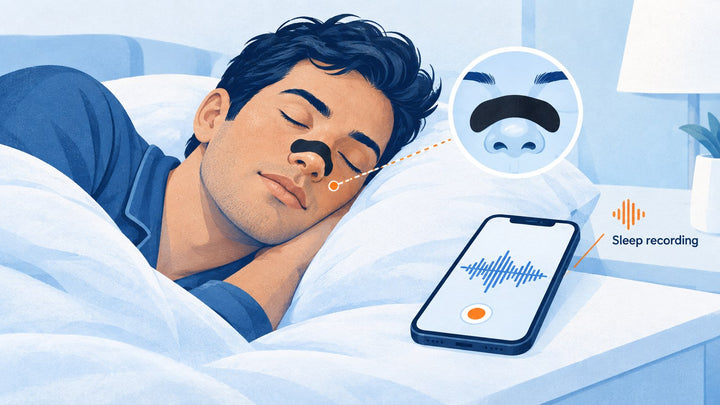
Open your nasal passages with an external nasal strip.
An adhesive nasal strip works by gently lifting the sides of the nose outward, increasing the cross-sectional area of the nasal valve so air flows more freely. This is a mechanical fix - no medication involved - and it addresses both the congestion-driven and structural varieties of nasal snoring because it widens the opening regardless of why it was narrow.
Nelamant Air Nasal Strips are designed with a wider footprint that spreads the lift evenly across the bridge rather than pulling from a single point, which helps the strip stay flat and comfortable through the night. The extra-hold adhesive is formulated to resist overnight movement, sweat, and skin oils, and the materials are designed for nightly use on sensitive skin. A single strip covers one night of sleep; a 30-strip pack covers a full month. You can order Nelamant Air Nasal Strips here.
-
Adjust your sleep position.
Sleeping on your back allows the tongue and soft palate to drop toward the airway, adding throat-level resistance on top of any nasal narrowing. Side sleeping reduces this throat contribution, which lowers the total resistance your nose has to overcome. Even if the nasal snoring continues after switching positions, reducing the throat component often makes it quieter. A body pillow along your back or a tennis ball sewn into the back of a sleep shirt are low-tech ways to discourage back-sleeping.
-
Stay hydrated and consider a bedroom humidifier.
Dry nasal mucosa becomes irritated and more prone to swelling. Drinking enough water through the day keeps nasal tissue supple. A cool-mist humidifier in the bedroom adds ambient moisture that reduces dryness in the passages overnight. Keep the humidifier clean according to the manufacturer's instructions - a dirty water tank can introduce mold spores and bacteria that make nasal inflammation worse rather than better.
-
Limit alcohol and sedatives close to bedtime.
Alcohol and sedating medications relax the muscles around the upper airway, including the muscles that hold the nasal valve open. Even modest muscle relaxation in the hours after drinking can narrow nasal airflow enough to turn a quiet sleeper into a loud one. Finishing alcohol at least two to three hours before bed reduces its peak relaxant effect during deep sleep.
-
Try myofunctional and nasal breathing exercises.
Regularly practicing nose breathing - during low-intensity activity, during the day, and before sleep - can strengthen the nasal dilator muscles and help maintain better nasal tone at night. Breathing exercises that train slower, deeper nasal inhalation may also reduce the velocity of airflow through a narrow passage, lowering the turbulence that generates snoring sound. These take weeks to show an effect and work best as a complement to the mechanical remedies above, not a replacement for them.
Do Nasal Strips Help Nasal Snoring?
External nasal strips are one of the most direct tools for nasal snoring because they address the physical opening itself. By gently springing the nasal sidewall outward, a strip increases the cross-sectional area of the nasal valve - the narrowest point of the nasal airway - and that wider opening allows air to flow at a lower velocity with less turbulence.
The key word is nasal. Strips support the nasal opening; they do not open an obstructed throat, treat central sleep apnea, or fix a severely deviated septum. For snoring that is primarily driven by a narrow or collapsing nasal valve, or by congestion that has reduced airway area at the nose, they can meaningfully reduce or quiet the snoring. For snoring that originates entirely in the throat - relaxed palate tissue, a large tongue base - a nasal strip alone will have little effect.
For a detailed look at the evidence and mechanisms, read the full guide on whether nasal strips help snoring.
When Nasal Snoring Remedies Won't Be Enough

Some nasal snoring causes do not respond to home remedies because the underlying anatomy needs professional evaluation. A significantly deviated septum, enlarged turbinates, or nasal polyps reduce nasal airflow in ways that a strip or saline rinse cannot fully compensate for. If you have tried several of the remedies above consistently for a few weeks and the snoring persists or your sleep quality has not improved, a visit to an ENT (ear, nose, and throat specialist) can identify whether a structural issue is driving the problem.
There is also an important distinction between simple snoring and obstructive sleep apnea. Sleep apnea involves repeated partial or complete collapses of the upper airway during sleep, not just turbulence at the nose. Nasal strips and the other remedies in this article are not a treatment for sleep apnea and do not replace any prescribed therapy for it. Understanding the difference between the two conditions is worth doing before you decide that nasal snoring remedies are all you need - see snoring vs. sleep apnea for a clear breakdown of the warning signs.
When to See a Doctor
See a doctor promptly if your snoring is accompanied by any of the following:
- Gasping, choking, or witnessed pauses in breathing during sleep
- Waking unrefreshed most mornings despite adequate sleep time
- Excessive daytime sleepiness that affects your daily functioning
- Snoring that has appeared or worsened alongside new symptoms like morning headaches or difficulty concentrating
- Nasal congestion that does not respond to standard remedies and has persisted for several weeks
These signs may indicate sleep apnea, chronic sinusitis, nasal polyps, or other conditions that need professional diagnosis and treatment. For guidance on nasal symptoms specifically, when to see a doctor for nasal congestion covers the relevant warning signs in detail.

Frequently Asked Questions
What is nasal snoring and how is it different from mouth snoring?
Nasal snoring originates from turbulent airflow inside your nasal passages - the vibration happens at or near the nasal valve and nasal tissue. Mouth snoring originates from relaxed tissue in the throat, soft palate, or tongue base and typically occurs when you breathe through your mouth during sleep. The remedies that work for one type often do little for the other, which is why identifying your snoring source matters before trying treatments. See the full comparison at nose snoring vs. mouth snoring.
Can nasal strips stop nasal snoring completely?
For people whose snoring is primarily driven by a narrow or partially collapsing nasal valve, or by mild-to-moderate congestion, a nasal strip can significantly reduce or eliminate the sound. For snoring that has multiple causes - for example, both a narrow nasal valve and a relaxed soft palate - a strip will address the nasal component but may not resolve the snoring entirely. It is a useful first tool, not a guaranteed complete fix for every person.
What nasal snoring remedies work fastest?
An external nasal strip takes effect the moment it is applied - it physically widens the nasal opening, so there is no wait for a medication to absorb or a habit to build. A saline rinse used 20–30 minutes before bed clears mucus and allergens quickly. Together, these two steps address both the structural and congestion contributions to nasal snoring on the very first night you try them. Lifestyle changes like allergy management and sleep-position adjustment typically take days to weeks to show a clear effect.
Can allergies cause snoring through the nose?
Yes. Allergic rhinitis causes the nasal mucosa to swell, which narrows the nasal passages and increases the turbulence that produces snoring. Nighttime allergen exposure is often highest because you are lying close to bedding, carpets, and dust mites for an extended period. Managing allergens in the bedroom environment and treating nasal inflammation with an antihistamine or nasal corticosteroid spray (per the product's directions) can reduce the allergic component of nasal snoring, particularly for people whose snoring tracks clearly with allergy season.
When should I worry that my nasal snoring is sleep apnea?
Snoring alone - even loud snoring - is not the same as sleep apnea, but the two can coexist. The symptoms that raise concern are gasping or choking sounds at night, witnessed pauses in breathing, waking up feeling unrefreshed even after a full night of sleep, and significant daytime sleepiness. If any of those apply to you, get evaluated before relying on nasal snoring remedies as your primary response. The snoring vs. sleep apnea guide explains the diagnostic differences clearly and covers what a clinical evaluation involves.
The Direct Path to Quieter Nasal Breathing
Nasal snoring is one of the more tractable snoring problems because its root causes - congestion, a narrow nasal valve, dry air, allergen exposure - respond to specific, practical actions. Clearing your nose before bed, supporting the nasal opening with a strip, and reducing the factors that cause overnight swelling covers the large majority of nasal snoring cases. If those steps do not move the needle after consistent use, that is useful information: it points toward a structural issue or a condition like sleep apnea that a clinician should evaluate. Start with the mechanical and lifestyle steps, track what changes, and let the results guide whether you need to go further.